

Root Canal
Treatment in Hackettstown
Relieve tooth pain, eliminate infection, and keep your natural smile — with gentle, precise care from Dr. K. at Hackettstown Advanced Dental Care.

Understanding Root Canals
What is root canal treatment?
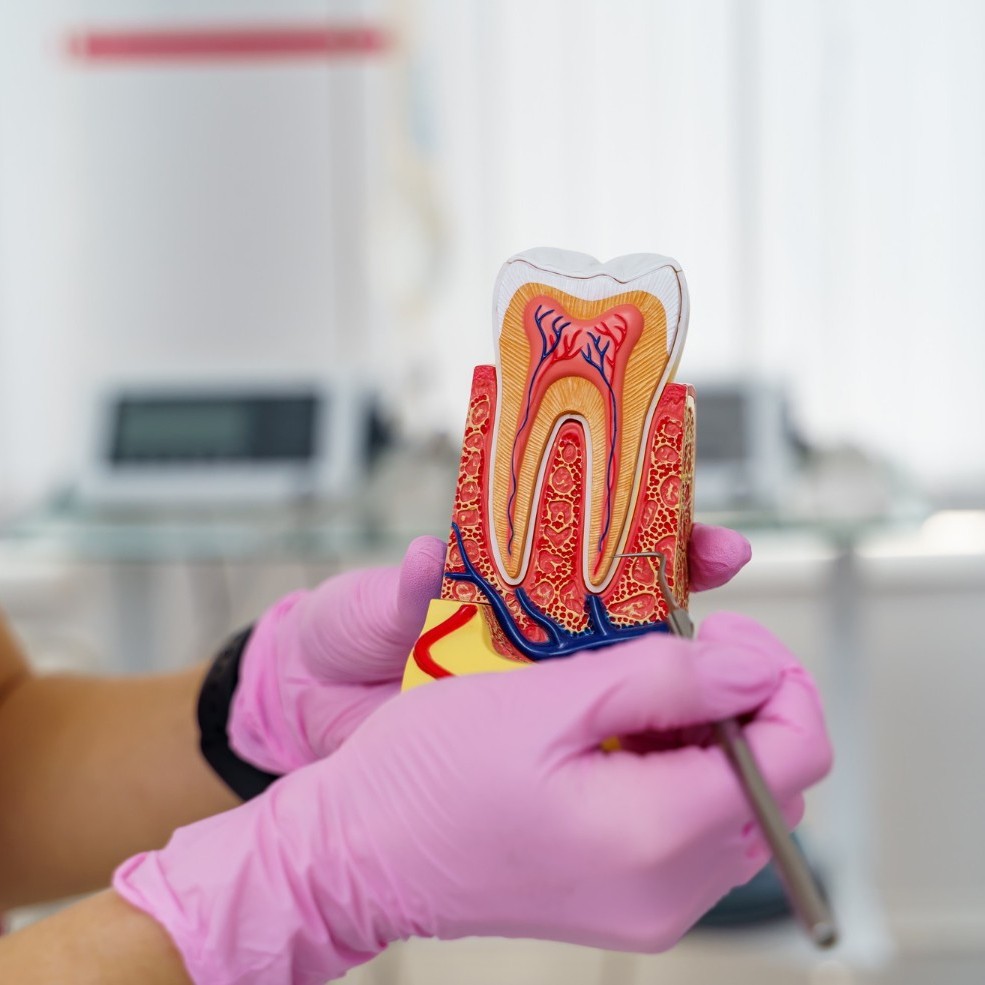
Root canal treatment — also called endodontic therapy — is a procedure designed to save a tooth whose inner pulp has become infected or severely damaged. Inside every tooth is a soft core called the pulp, which contains nerves, blood vessels, and connective tissue. While the pulp is essential during tooth development, a fully grown tooth can survive without it.
When bacteria reach the pulp through deep decay, a crack, or trauma, the resulting infection causes significant pain and — if left untreated — can spread to the surrounding bone and jaw. A root canal removes the infected tissue, cleans and seals the canal system, and restores the tooth so it can function normally for years to come.
Myth vs. reality: Many patients fear root canals based on outdated experiences. With modern anesthesia and techniques, the procedure is no more uncomfortable than getting a filling — and it provides immediate relief from the severe pain caused by the infection itself.


Causes & Symptoms
What causes pulp damage?
Common causes
Deep tooth decay that reaches the pulp chamber, a crack or fracture that exposes the inner tooth, repeated dental procedures on the same tooth, traumatic injury to the tooth, or a loose or broken filling that allows bacteria to enter.
Why prompt treatment matters
An untreated pulp infection does not resolve on its own. Over time the bacteria spread, can cause a dental abscess, and may reach the jawbone or surrounding teeth. Early treatment protects both the tooth and your overall health.

Signs You Might Need
a Root Canal
These symptoms indicate that the pulp may be infected or inflamed. If you are experiencing any of them, contact our office promptly — the sooner treatment begins, the better the outcome.

Severe Toothache
Persistent, throbbing pain — especially when chewing or applying pressure to the tooth.

Lingering Sensitivity
Sensitivity to hot or cold that lingers well after the source is removed.

Swelling or Tenderness
Swelling of the gums, jaw, or face — or a pimple-like bump on the gum near the painful tooth.

Tooth Discoloration
Darkening or graying of a tooth, which can signal pulp damage or death.

Gum tenderness
Tenderness or pain in the gums or jawbone surrounding the affected tooth.

Pain When Chewing
Discomfort or sharp pain when biting down or chewing, even soft foods.
In some cases, a dying pulp produces no pain at all — making routine X-rays and check-ups important for early detection. Do not wait for severe pain before seeking evaluation.
The root canal process, step by step
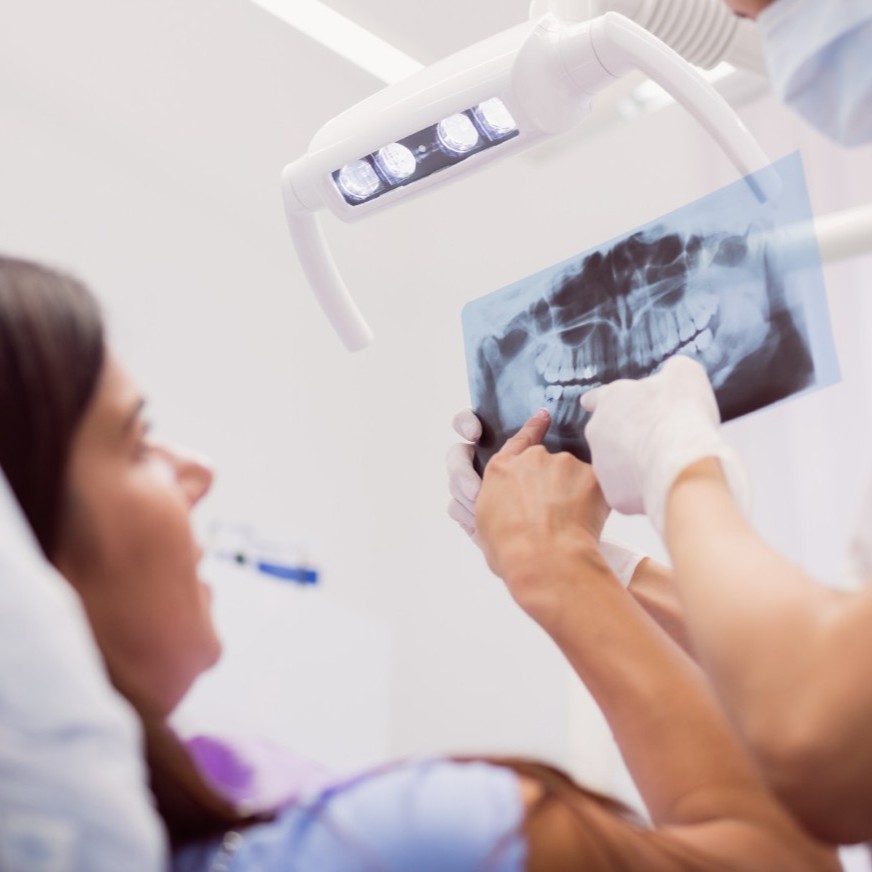
At Hackettstown Advanced Dental Care, Dr. K. uses digital X-rays and cone beam CT (CBCT) imaging to fully map the tooth’s root canal anatomy before treatment begins. Most root canals are completed in one or two visits.
Diagnosis & imaging
Anesthesia & comfort
Isolation & access
Pulp removal & canal cleaning
Filling & sealing
Final restoration
Root canal vs. tooth extraction
Patients sometimes wonder whether extraction is a simpler solution. In most cases, saving your natural tooth is the better long-term choice — both clinically and financially.
Factor
Root canal + crown
Extraction + replacement
Preserves natural tooth
Yes
No
Bone loss prevention
Yes — root stimulates bone
Bone loss begins immediately
Impact on adjacent teeth
None
Teeth can shift over time
Recovery time
1–2 days of mild soreness
Longer; more involved healing
Long-term cost
Usually lower overall
Implant or bridge adds cost
Chewing function
Fully restored with crown
Requires implant or bridge
Root canal vs. tooth extraction
Patients sometimes wonder whether extraction is a simpler solution. In most cases, saving your natural tooth is the better long-term choice — both clinically and financially.
Preserves natural tooth
Root canal + crown: Yes
Extraction + replacement: No
Bone loss prevention
Root canal + crown: Yes — root stimulates bone
Extraction + replacement: Bone loss begins immediately
Impact on adjacent teeth
Root canal + crown: None
Extraction + replacement: Teeth can shift over time
Recovery time
Root canal + crown: 1–2 days of mild soreness
Extraction + replacement: Longer; more involved healing
Long-term cost
Root canal + crown: Usually lower overall
Extraction + replacement: Implant or bridge adds cost
Chewing function
Root canal + crown: Fully restored with crown
Extraction + replacement: Requires implant or bridge
After Your Treatment
Recovery & Care
Most patients return to normal activities the day after their root canal. Some mild tenderness in the treated area is expected for a few days and is easily managed with over-the-counter pain relievers. Dr. K. may prescribe antibiotics if the infection was significant.
- Take any prescribed medications as directed and complete the full antibiotic course if prescribed
- Manage mild soreness with ibuprofen or acetaminophen as needed
- Avoid chewing on the treated side until the permanent restoration is placed
- Stick to soft foods for the first 24–48 hours
- Continue brushing and flossing normally, being gentle around the treated tooth
- Rinse gently with warm salt water to soothe gum tenderness
- Attend your follow-up appointment for crown placement as scheduled
- Contact our office if you experience severe pain, swelling, or a visible abscess
How long does a root canal last?
A root canal treated tooth, properly restored with a crown and maintained with good oral hygiene, can last a lifetime. Studies show success rates above 95% at 10 years. The most important factor in long-term success is completing the final restoration — particularly a crown — promptly after the procedure, as an unprotected tooth is at high risk of fracture.
All About Root Canals in Hackettstown
At our High Tech Dentist office, we are committed to helping our patients find relief from painful tooth infections through safe and effective root canal treatments. Doctor K. understands the unique needs of each individual patient, and we take the time to carefully evaluate your situation before recommending a treatment plan.
Whether you live in Hackettstown or one of the surrounding communities, we can help you get back on the path to good oral health with fast and efficient root canals. Don’t let tooth pain control your life – contact us today to explore your options for root canal therapy.

Understanding
Why
a Root Canal?
A root canal is needed when the pulp inside your tooth becomes damaged or infected. This can happen due to deep decay, repeated dental procedures, a crack or chip, or trauma.
Symptoms like severe toothache, sensitivity to hot and cold, swelling, or tenderness indicate potential pulp damage requiring evaluation.

The Process
What
to Expect
After evaluation, the area is numbed. A small opening is made to access the infected pulp, which is then removed. The inside of the tooth is cleaned and sealed.
The procedure is designed to be comfortable, and we prioritize your ease throughout the visit.

The Benefits
Saving Your
Natural Tooth
Root canal treatment is a highly effective way to save a tooth that would otherwise need extraction. It relieves pain, eliminates infection, and allows you to keep your natural smile.
- Relieves severe tooth pain
- Eliminates infection
- Saves your natural tooth
- Restores chewing function
- Prevents spread of infection
- Maintains your smile’s appearance
Frequently Asked Questions
About Root Canal Treatment
Have questions about root canals? We’ve compiled answers to some of the most common inquiries we receive from patients in Hackettstown and beyond.
Root Canal Aftercare
Tips for a Smooth Recovery
Once your root canal procedure is complete, proper aftercare is essential for healing and protecting your treated tooth. Follow these guidelines to ensure a smooth recovery and maintain your oral health.

Oral Hygiene
Brush & Floss Gently
Continue brushing and flossing regularly, but be gentle around the treated tooth initially. Warm salt water rinses can help with tenderness.

Dietary Care
Eat Soft Foods
Stick to soft foods and avoid chewing on hard objects or the treated tooth until it is fully restored. This prevents potential damage.

Medication
Take as Directed
If antibiotics or pain medication are prescribed, take them exactly as directed by Doctor K. This helps manage infection and discomfort.

Restoration
Protect Your Tooth
A tooth that has had a root canal can become brittle. It’s crucial to follow Doctor K.’s recommendation for restoring the tooth with a filling, post and core, or crown for long-term support and protection.
Don’t wait — tooth pain won’t resolve on its own
Contact Hackettstown Advanced Dental Care today. We offer same-day appointments for dental pain and will get you comfortable as quickly as possible.
Testimonials
Happy patients, healthy smiles! Hear firsthand how we’ve helped our patients achieve their oral health goals. We’re proud of the relationships we build with our patients. Here’s what some of them have to say about their time with us.
Hear Why Nick Chose Us
The High Tech Dentist
Technology for Your Convenience and Comfort
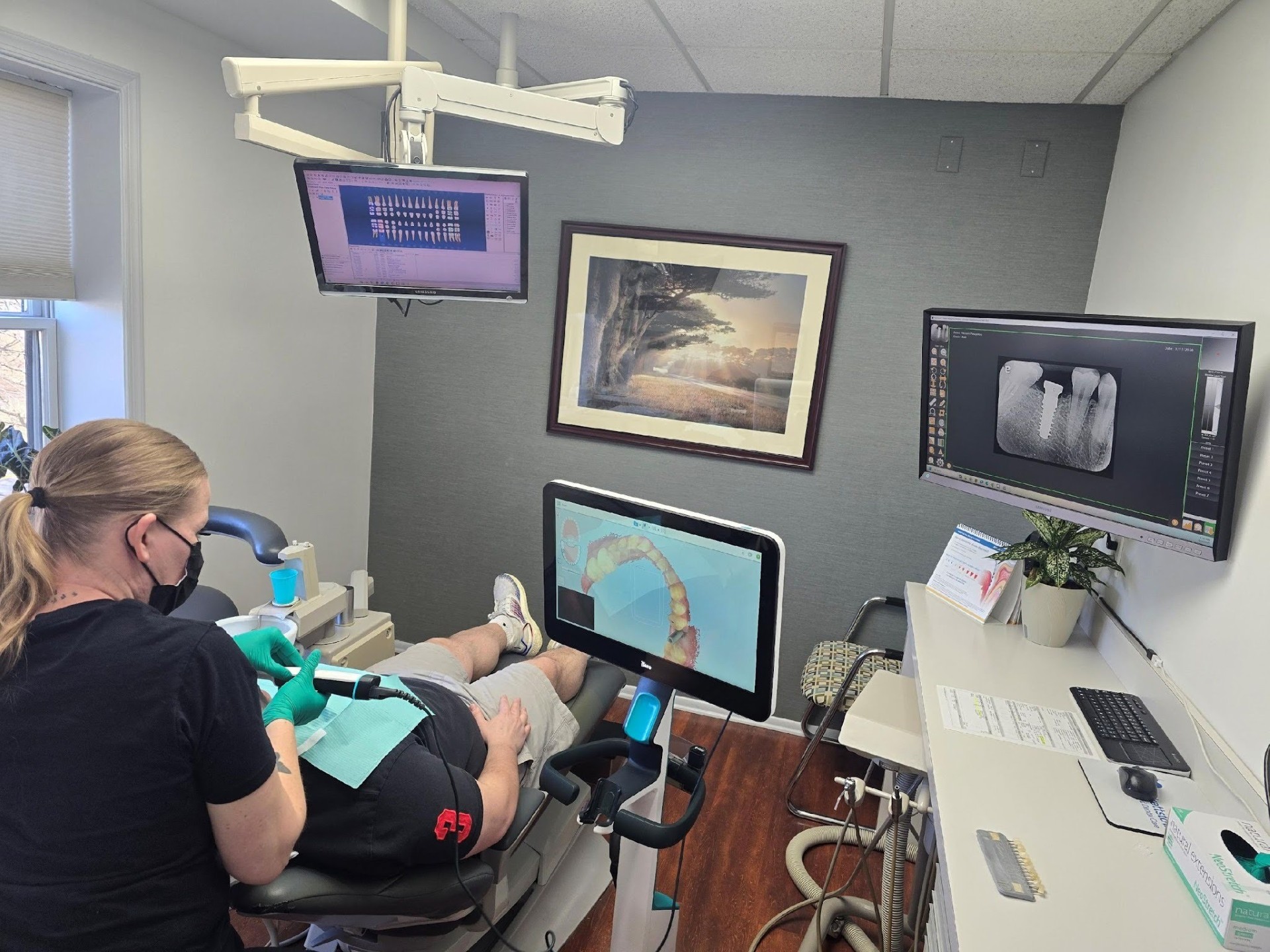
We utilize digital tools to simplify administrative tasks. We can electronically submit your insurance claims, significantly speeding up the process and reducing paperwork. If your insurance requires X-rays, these can be sent digitally along with your claim, eliminating delays.
Beyond efficiency, we’re committed to your comfort. Our practice features ergonomically designed dental chairs for maximum relaxation during procedures. We also provide amenities like noise-canceling headphones and entertainment options to help you feel at ease throughout your visit. Our goal is to combine cutting-edge technology with a patient-centered approach, creating a positive and comfortable dental experience.
Learn More About Root Canals
Understanding your dental health options is important. Here are some resources from trusted organizations where you can find more information about root canal treatment.
Patient Information
Find comprehensive information about root canal treatment from the American Association of Endodontists (AAE), specialists in root canal therapy.
Understanding the Procedure
Learn more about the root canal procedure, its effectiveness, and common misconceptions from the American Dental Association (ADA).
Symptoms & Causes
Get details on what causes the need for a root canal and the symptoms to watch out for from the Mayo Clinic.